Discover Supportive Music and Imagery (SMI)
Supportive Music and Imagery (SMI) is a therapeutic approach that uses music and creative expression to help you connect with your inner resources and improve your mental well-being. Through a series of 60-minute sessions, we’ll work together to explore your emotions and develop coping strategies. Whether you're struggling with anxiety, depression, or simply seeking personal growth, SMI can help you find peace, clarity, and creativity.
What is Supportive Music and Imagery (SMI)?
Supportive Music and Imagery (SMI) is a transformative therapeutic approach that combines music, art, and guided reflection to promote mental well-being.
It is a short-term music psychotherapy method that works both in person and online sessions to suit your needs.
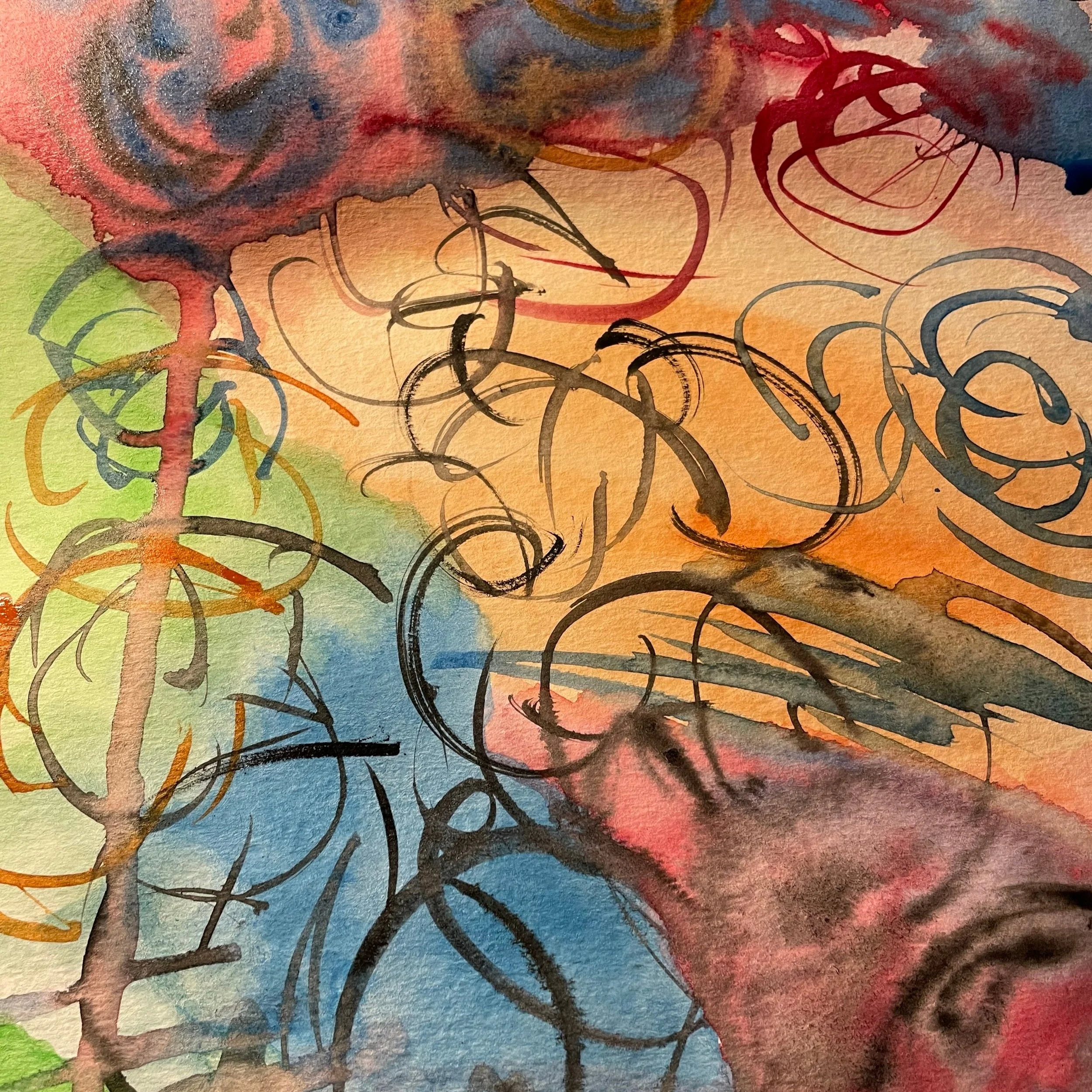
Through a series of 7 sessions, or as part of a longer-term therapy, SMI guides you on a journey of self-discovery and healing. Sessions take place every two weeks. By collaborating closely with a therapist, you'll delve into your inner resources, exploring the depths of your emotions and unlocking your creative potential. SMI blends psychodynamic, music-centered, neurobiology-oriented (polyvagal), and trauma-informed theories to offer a comprehensive and effective therapeutic experience.
"The SMI method aims at enhancing one's ego by supporting one's positive resource rather than exploring problems and issues. It is containing and highly structured compared to BMGIM and it focuses on the here-and-now." — Paik-Maier, 2010 in Voices: A World Forum for Music Therapy
What happens in an SMI therapy session?
SMI is a structured but flexible, client-centred approach, where each session follows a certain rhythm:
Therapist helps you identify an everyday supportive experience to work on (your inner resource).
Choosing suitable music, whether from your own or from the therapist’s collection.
Centering by creating awareness on your breath and your body to reduce any tension and establish internal focus.
Engaging in art-making (or in any other creative outlet such as movement or creative writing) whilst listening to the music. This is to deepen your connection with, and integrate your chosen supportive experience and the associated feelings.
You are encouraged to access your inner resources in daily living, making use of your music collection to support this. Where possible, you will learn to carry out Supportive Music and Imagery (SMI) at home as a complement to meditation or journaling practices.
In Supportive Music and Imagery sessions, there is a strong emphasis on collaboration and empowerment of the client.
Who can SMI sessions help?
SMI sessions are aimed at anyone wanting to improve their mental well-being. It is about (re-)discovering your inner resources and creating resilience in your daily living. It can be helpful in supporting a range of mental health issues.
SMI sessions can support adults with:
emotional difficulties
anxiety
depression
trauma
low self-esteem
grief
stress
SMI can also support with:
discovering your creativity
personal development
understanding of self
building resilience
Further reading on SMI
Here is a case study on how SMI sessions can be used.
Read more on Supportive Music and Imagery Method.
Listen to a podcast below with my colleague Helen Wallace-Bell about Supportive Music and Imagery (SMI) and Re-educative Music and Imagery (RMI). These are part of the contemporary spectrum of Guided Imagery and Music (GIM) methods. Helen explains what these approaches are and how the recorded music used is chosen collaboratively to help the client develop their inner resources or work on issues. Helen is involved in MI training which also gets discussed. In addition, Helen talks about her work with clients who have PTSD and about online groupwork with carers.
Sessions
7-session block including an assessment session
Sessions can be combined with long-term therapy
60-75 minutes per session
Online or in-person individual sessions
I am a counsellor in Berlin, offering Supportive Music and Imagery sessions in person and online. If you are interested in SMI sessions with me, then I look forward to hearing from you. You can read more about me offering English-speaking counselling in Berlin.
References:
Lawes, M. (Host). (2024, September 25). Helen Wallace-Bell (Episode 90) [Audio podcast episode]. In Music Therapy Conversations. British Association for Music Therapy. https://www.bamt.org/DB/podcasts-2/helen-wallace-bell.
Paik-Maier, S. (2010). Supportive music and imagery method. Voices: A World Forum for Music Therapy, 10(3).
Disclaimer: This content is for educational purposes only and does not replace a therapeutic relationship with a trained professional. If you are in a mental health crisis, please call 112 or your country's crisis line, where professional mental health workers can help you.