English-Speaking Counselling in Berlin: What to Look For
Berlin is home to people from all over the world. Whether you’ve recently moved here, have lived here for years, or find yourself navigating a significant life transition, there may come a time when you begin looking for professional emotional support.
Searching for English-speaking counselling in Berlin can feel overwhelming at first. With so many therapists, counsellors, and coaching services available, how do you know which approach, and which practitioner, is right for you?
While qualifications and experience are important, finding the right therapist is about more than credentials. It is about finding a space where you feel understood, respected, and safe enough to be able to explore your experiences openly.

Why Choose English-Speaking Counselling?
Many international residents in Berlin speak German in their daily lives but prefer to discuss personal experiences, emotions, and relationships in English.
Therapy often involves exploring vulnerable topics such as:
Relationship challenges
Life transitions
Anxiety and stress
Identity and belonging
Self-esteem
Grief and loss
Emotional overwhelm
Being able to express yourself in a language that feels natural and more comfortable to you, can make the therapeutic process feel more accessible and meaningful, leaning into your emotional world.
For many people, working with an English-speaking therapist in Berlin allows for greater emotional depth and ease within the counselling relationship.
Consider the Therapist’s Approach
Not all counselling approaches are the same, and understanding the therapist’s perspective can help you find a good fit.
Psychodynamic Counselling
Psychodynamic counselling focuses on understanding the deeper patterns that shape our emotional lives.
Many of our reactions, relationship dynamics, and coping strategies develop over time and may be influenced by earlier experiences. A psychodynamic approach creates space to explore these patterns with curiosity rather than judgment.
This approach can be particularly supportive for individuals who find themselves:
Repeating similar relationship patterns
Struggling with self-worth
Feeling stuck or disconnected
Navigating significant life changes
Seeking deeper self-understanding
Rather than focusing solely on symptoms, psychodynamic work often explores the underlying emotional experiences that may be contributing to current difficulties.
The Importance of the Therapeutic Relationship
Research consistently shows that one of the most important factors in successful therapy is the quality of the therapeutic relationship.
Feeling safe, respected, and genuinely understood can create the foundation for meaningful change.
When choosing a counsellor, it can be helpful to ask yourself:
Do I feel comfortable speaking with this person?
Do I feel listened to?
Does their approach resonate with me?
Can I imagine building trust over time?
Many therapists offer an introductory consultation, which can help you get a sense of whether the relationship feels like a good fit.
Creative Approaches in Counselling
While traditional talk therapy can be incredibly valuable, some individuals find that creative approaches offer additional ways to explore emotions and experiences.
Creative methods can support reflection, emotional expression, and self-awareness when words alone feel insufficient.
Depending on the therapist’s training and the client’s preferences, this may include:
Creative approaches are not about artistic ability and skills. Rather, they can offer alternative pathways into understanding thoughts, feelings, and patterns of relating. For some people, combining reflective counselling with creative expression can deepen the therapeutic process and support personal growth and creativity.
Neurodiversity-Affirming Support
For autistic adults, ADHDers, and other neurodivergent individuals, finding a therapist who understands neurodiversity can be an important consideration.
A neurodiversity-affirming therapist recognises that different ways of thinking, communicating, processing information, and experiencing the world are natural variations of human experience.
Rather than focusing on changing who you are, neuroaffirming counselling aims to support self-understanding, wellbeing, and sustainable ways of navigating daily life.
Whether you are newly exploring a diagnosis or have known about your neurodivergence for years, working with a therapist who understands these experiences can help create a more supportive therapeutic environment.
Practical Considerations When Choosing a Therapist in Berlin
Alongside therapeutic approach, it can be useful to consider practical factors such as:
Online or In-Person Sessions
Some people value the flexibility of online counselling, while others prefer meeting in person. Consider which format best suits your lifestyle and comfort level.
Location
Berlin is a large city, and regular travel across the city can become tiring. If you are looking for in-person counselling, choosing a conveniently located therapist can support consistency.
Availability
Finding a therapist with availability that matches your schedule can make it easier to commit to the therapeutic process. This can be discussed together with your therapist during a consultation call and during the first full session before committing.
Consultation Calls
Many therapists offer an initial consultation, allowing you to ask questions and determine whether the fit feels right before committing to ongoing sessions.
Finding the Right Fit
There is no single “best” therapist for everyone. The right therapist is someone whose approach, personality, and values align with what you need at this stage of your life. Sometimes finding that fit takes time, and it is completely okay to speak with more than one therapist before making a decision. Therapy is a collaborative process, and feeling comfortable enough to be yourself is an important part of the work.
English-Speaking Counselling at Arula Counselling
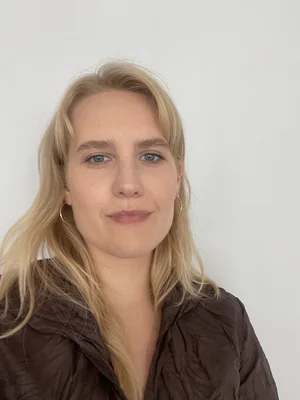
At Arula Counselling, I offer English-speaking counselling in Berlin and online for adults seeking a thoughtful, collaborative, and compassionate therapeutic space.
My work is informed by:
Relational and attachment-focused lens
Neurodiversity-affirming practice
Person-centred
I work with adults navigating life transitions, emotional challenges, identity exploration, relationships, self-understanding, anxiety, and neurodivergence. My aim is to create a space where clients can slow down, reflect, and develop a deeper understanding of themselves and their experiences.
If you are looking for an English-speaking counsellor in Berlin, you are welcome to explore my services, learn more about my approach, or book a free introductory consultation by clicking the link below or contact me here.